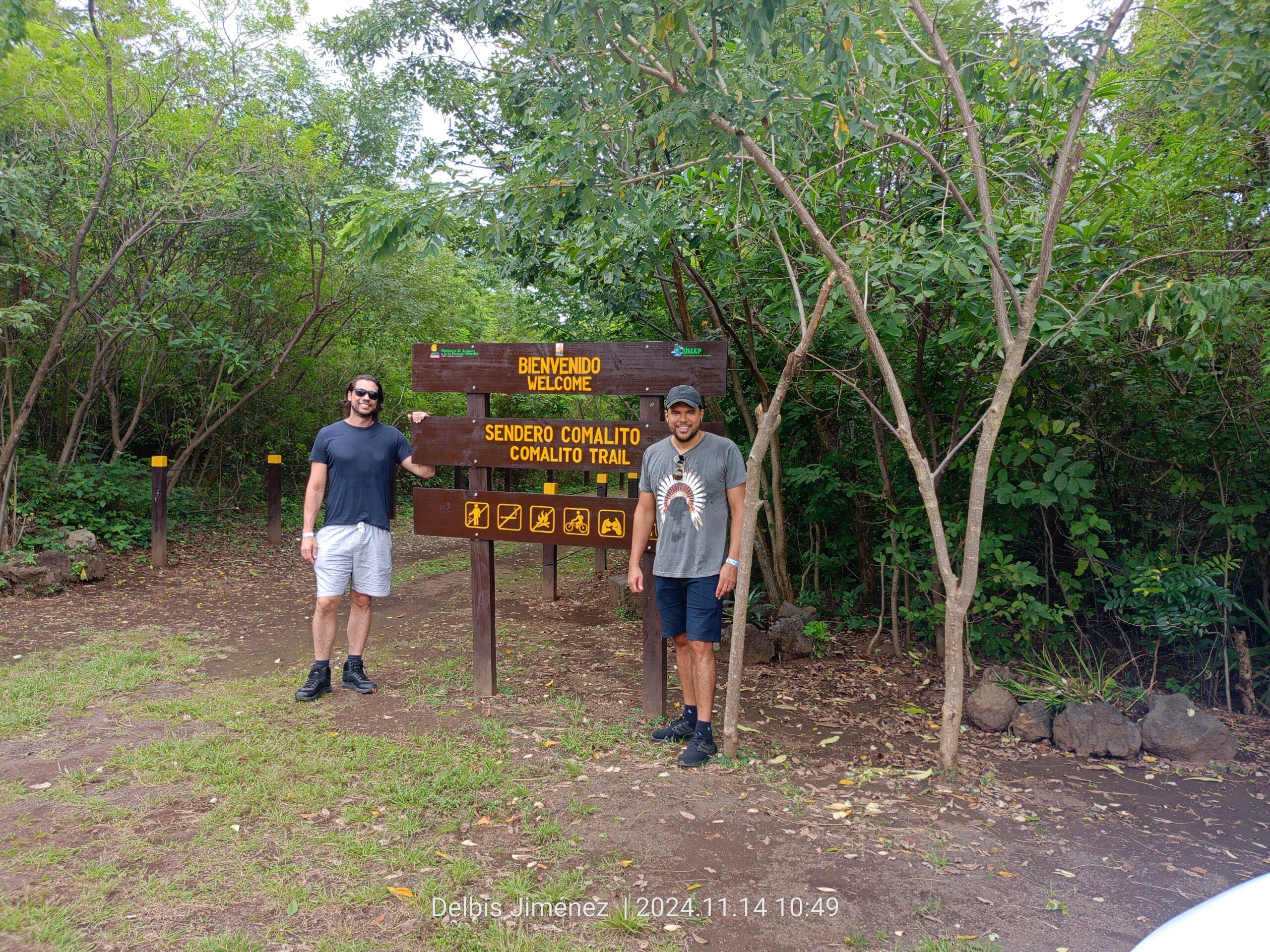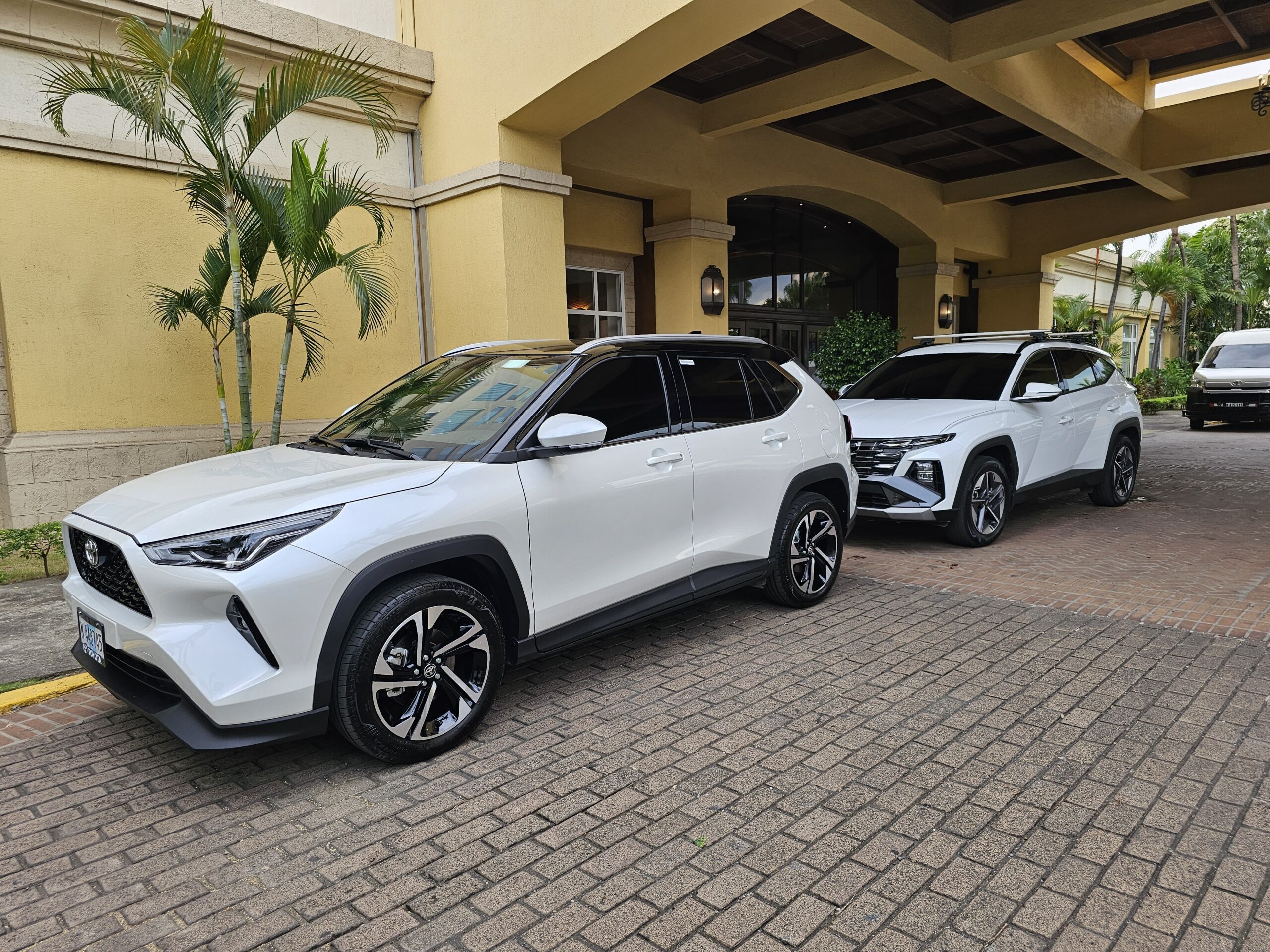


We have operated private transportation and tours in Nicaragua since 2014. We have seen the country through its most difficult times and its recovery. This guide explains which areas to visit, what precautions to take, and how to travel with greater peace of mind.
The short answer: is Nicaragua safe?
Nicaragua is safe for most tourists who stay in established destinations, plan their transfers, and apply the same common sense they would use in any other Central American country.
The key is not to travel with fear. It is to travel informed.
Nicaragua's reputation does not fully reflect its current reality
The 2018 crisis was real and serious; no one denies it. But 2026 is not 2018. The main tourist destinations constantly receive visitors from Latin America, Spain, the United States, Canada, and Europe, and the vast majority return without incident.
Are there risks? As in any country. The important thing is to understand that not all areas have the same level of exposure and that the situation can change.
Safe Zones for Tourists in Nicaragua
These destinations maintain constant tourist activity, known infrastructure, and established access routes.
Granada
The most visited colonial city in the country. The historic center, cathedral, Lake Nicaragua, and the Islets have established tourist infrastructure.
León
University city with active cultural life, walkable center, and access to experiences like the Cerro Negro Volcano.
Estelí
Quiet city internationally recognized for the tobacco industry and its specialized experiences.
San Juan del Sur
Main beach tourist destination, with hotels, restaurants, surfing, and an active international community.
See transport to San Juan del Sur
Pacific Beaches
Playa Maderas, El Coco, Brito, El Remanso, and Hermosa are part of an increasingly accessible coastal route.
Masaya & Masaya Volcano
Popular excursion from Managua or Granada to one of the most recognized volcanic destinations in the country.
What about Managua?
The capital requires the same precautions as any Central American city: avoid walking alone at night in unfamiliar areas, do not display valuable objects, and use verified private transportation when you do not know the city or need to travel outside the main tourist corridors.
Caution Zones & Situations in Nicaragua
They are not necessarily prohibited places. They simply require better timing, local information, and logistics.
If you prefer to explore destinations with coordinated routes, schedules, and mobility, explore our private tours in Nicaragua to colonial cities, volcanoes, beaches, and cultural experiences.
How to Travel Safely in Nicaragua in 2026
Most incidents involving tourists are opportunistic thefts, not violence. These choices reduce the common risks.
Transportation
- Use verified private transport: confirm driver, vehicle, and rate before traveling.
- Avoid unfamiliar routes at night: intercity transport is more predictable during the day.
- Book airport transfers in advance: avoid searching for transport and negotiating rates upon landing.
Money & Belongings
- Use ATMs in banks or shopping centers during the day.
- Carry moderate amounts of cash.
- Dollars are accepted in tourist areas; cordobas are useful in markets and small businesses.
- Do not display high-value jewelry, cameras, or phones in crowded places.
Health & Preparation
- Consume bottled or filtered water.
- Use repellent, especially in the rainy season and coastal areas.
- Get travel insurance with medical and evacuation coverage.
- Share hotels, routes, and contacts with someone you trust.
Travelers who prefer door-to-door service can also book private transportation in Nicaragua with a professional driver.
How to Organize Safe Transfers During Your Trip
If you are visiting several cities, arriving on a night flight, or traveling with family and luggage, it is best to coordinate mobility before arriving.
You can book private transportation in Nicaragua for routes between cities, beaches, volcanoes, and borders.
For arrivals or departures, transfers from Managua Airport allow you to confirm the meeting point, driver, vehicle, luggage space, and price.
Our Perspective After 12 Years Operating in Nicaragua
Infinity Travels & Adventure has operated since 2014. Our drivers are Nicaraguans who live here and know the country better than any article written from abroad.
We worked during the 2018 crisis, the pandemic, and the tourism recovery. We have accompanied thousands of travelers from Latin America, Spain, the United States, Canada, and Europe.
Our honest assessment for 2026: Nicaragua is safe for tourism when travelers prepare, use verified transport, stay in established tourist areas, avoid political involvement, and apply normal precautions.
The perception gap also creates an opportunity: beaches, volcanoes, and colonial cities are less crowded than equivalent destinations in the region.
Safety in Nicaragua in 2026
Direct answers to make informed decisions before traveling.
Yes. Nicaragua is safe for most travelers in 2026 if they take normal international travel precautions. Granada, Leon, San Juan del Sur, the Pacific beaches, and Esteli have a consistent record of safe tourism. The main recommendation from international travel advisories is to avoid political events.
The most common risk for tourists is opportunistic theft in crowded or poorly lit places. With verified transport, accommodation in established tourist areas, and basic precautions, the trip is safe for the vast majority of visitors.
Granada, Leon, Esteli, San Juan del Sur, and the beaches along the Carretera Costanera have established tourist activity. Managua is manageable in known areas and with planned mobility, especially at night.
Main roads, such as the Pan-American highway and routes to Masaya and Leon, are passable during the day. Driving at night on intercity routes is not recommended due to limited lighting, signage, animals on the road, and less assistance. When you do not know the routes, private transport offers greater predictability.
Yes. Granada is one of the most established tourist destinations in the country. The historic center, cathedral, main plaza, and hotel zones receive visitors regularly. Normal precautions apply: do not display valuable items and use verified transport at night.
Public transportation is functional, but in crowded terminals or vehicles, there is greater exposure to opportunistic theft. Informal taxis offer less control over who drives and under what conditions. Verified private transport in Nicaragua allows you to confirm the driver, vehicle, route, and price before the trip.
Save your embassy’s contacts, get travel insurance, and share your itinerary with a trusted person.
• National Police: 118.
• Firefighters & Red Cross: 128.
• Embassy of Colombia: +505 2276-0720.
• Embassy of Costa Rica: +505 2267-3434.
• Embassy of Spain: +505 2276-0966.
Important: verify these numbers on official sources before publishing and traveling, as they may change.
Useful reminder before the trip
Guides Related to Your Trip
Useful content to organize destinations, activities, and mobility within Nicaragua.
Top 5 Must-Do Weekend Tours in Nicaragua
Options to combine colonial cities, nature, and cultural experiences.
What to Pack for Masaya Volcano or Cerro Negro
Preparation, clothing, footwear, and recommendations for volcanic activities.
What to See in Granada, Nicaragua: 2026 Guide
Historic center, Islets, nature, and recommended experiences.
Ready to Organize Your Trip to Nicaragua?
We coordinate airport transfers, routes between cities, beaches, volcanoes, and borders with private vehicles, local drivers, and confirmed prices before the trip.