Showing the single result
Masaya is the beating heart of Nicaraguan culture, proudly known as the “Capital of Folklore” and the “Cradle of Handicrafts.” Just minutes away from Managua and Granada, this city offers one of the most accessible and spectacular experiences in the country: an active volcano where you can witness a lava lake at dusk.
But Masaya is much more than its volcano. It’s a city of hardworking people, artists, and ancestral traditions. From its vibrant handicraft market to its colorful patron saint festivals (the longest in the country) and the Indigenous neighborhood of Monimbó, Masaya offers an authentic immersion into the creative and resilient soul of Nicaragua. It’s the perfect place to shop for unique souvenirs, feel the heat of the earth, and experience living culture firsthand.
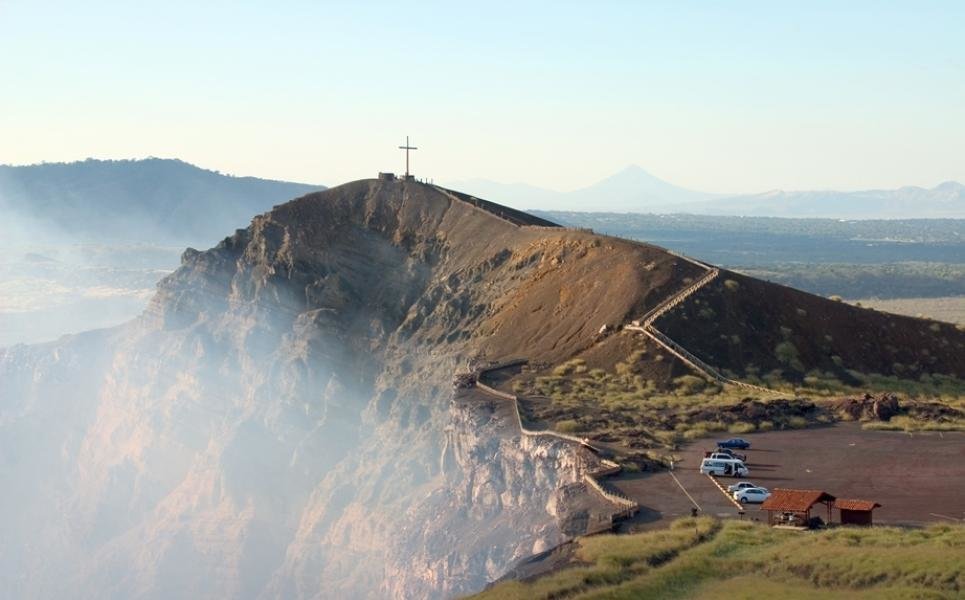
This is the crown jewel. Masaya Volcano National Park allows you to drive right up to the edge of the Santiago crater. The night tour is a must to witness the impressive lake of active lava glowing in the dark.
Housed in a 19th-century neoclassical fortress, this market is the hub of national handicrafts. Here you’ll find hammocks, ceramics, leather goods, embroidered clothing, paintings, and souvenirs from all over the country.
A massive crater lake with crystal-clear, warm waters, located between Masaya and Granada. It’s the perfect spot for swimming, kayaking, paddleboarding, or simply relaxing with a day pass at one of its hotels.
Part of the “Pueblos Blancos,” this viewpoint offers the most famous panoramic view of Laguna de Apoyo, with Mombacho Volcano and Lake Cocibolca in the background. The area is filled with plant nurseries and restaurants.
The heart of Masaya’s culture. Famous for its history of resistance and its artisan workshops producing hammocks, wicker furniture, and traditional masks used in folkloric dances.
A route of charming villages near Masaya. Highlights include San Juan de Oriente (famous for its high-quality ceramics) and Niquinohomo (the birthplace of Augusto C. Sandino).
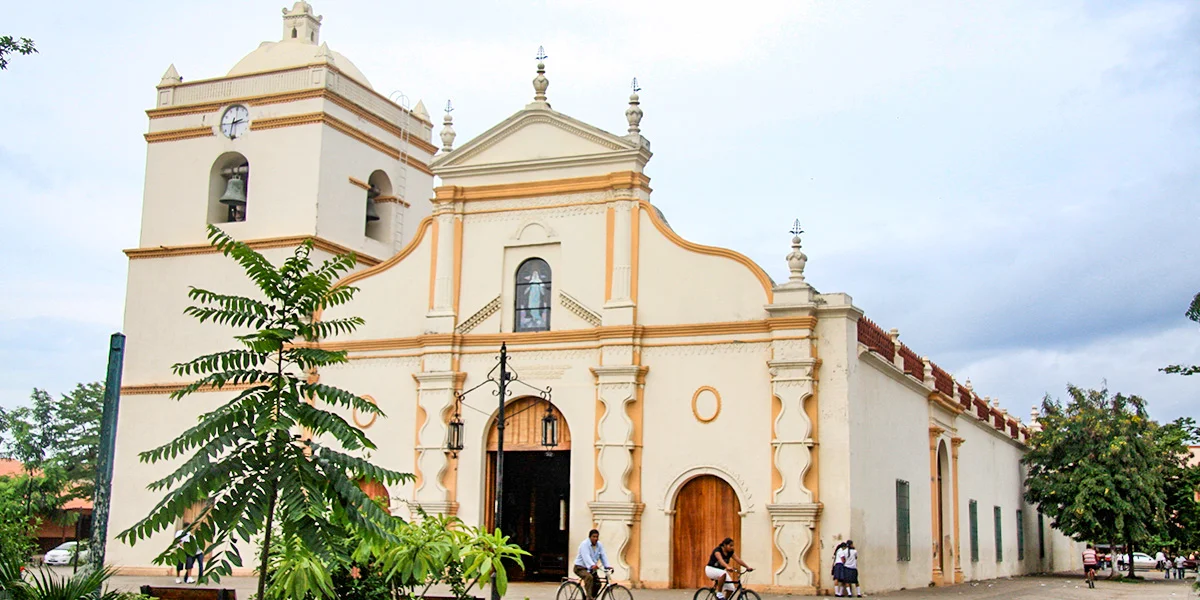
The city’s main church, located in the Central Park, featuring impressive architecture that has withstood both earthquakes and history.
It offers a panoramic view of the Masaya Lagoon (different from Laguna de Apoyo) and the volcano. It’s a popular spot for locals at sunset.
Although Granada is famous for it, Masaya has its own delicious version that can be enjoyed at the market or in the park.
If you visit between September and November, you’ll encounter Nicaragua’s longest and most folkloric patron saint festivities, full of dances, processions, and the famous “Torovenado.”
The hotel options in the city of Masaya are more limited and locally focused, but its strategic location offers excellent alternatives.
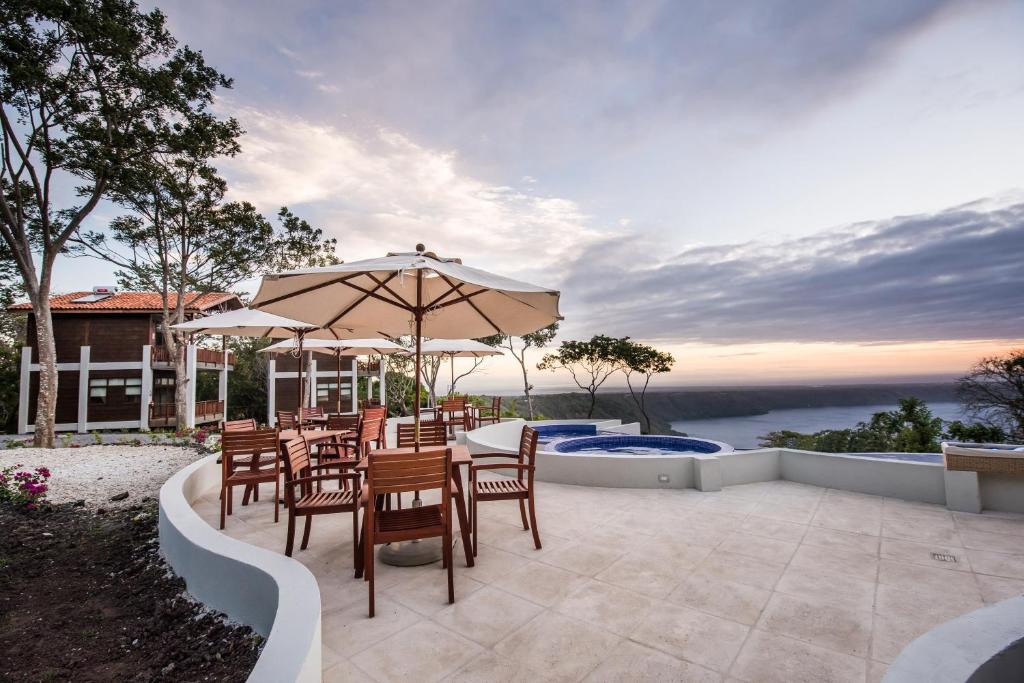
This is the preferred option for many travelers. There is accommodation to suit all budgets, from hostels to luxury eco-lodges. Pacaya Lodge & Spa (luxury), Laguna Beach Club (mid-range), and The Monkey Hut (hostel) are well known.
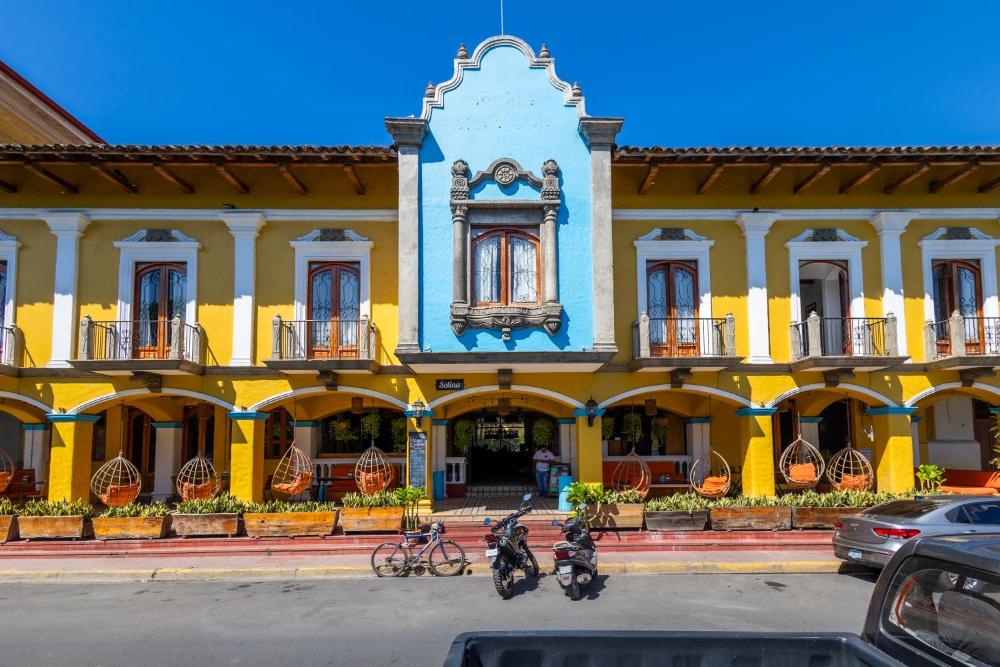
Given its proximity (20-30 minutes), many tourists stay in Granada and visit Masaya as a day trip or half-day excursion.
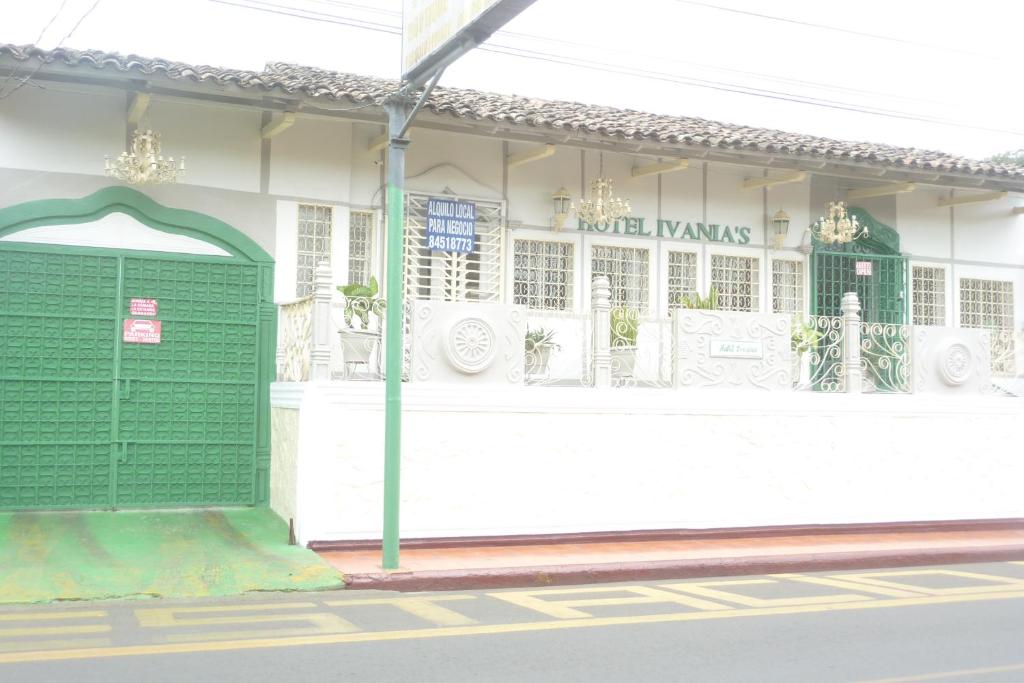
Hotel Ivania’s and Hostal Casa San Miguel: Popular, central, and comfortable options for exploring the city on foot. These are functional and well-located accommodations.
The food in Masaya is authentic, traditional, and delicious.
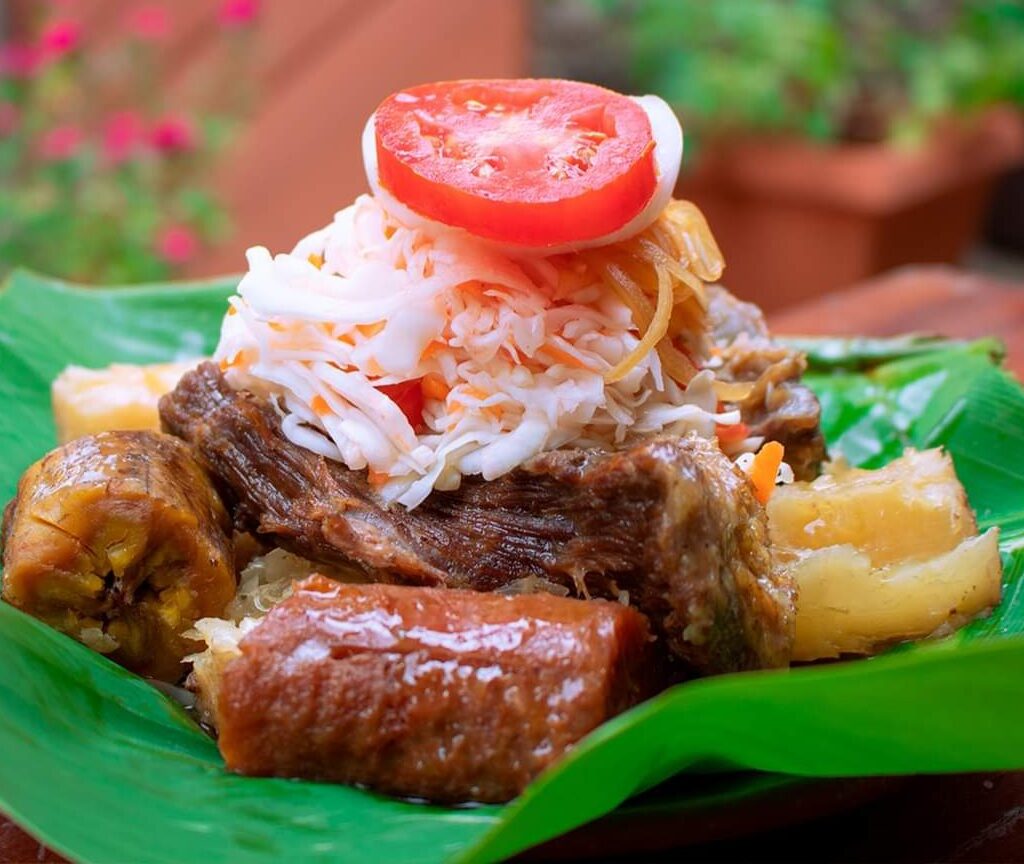
Municipal Market: Here you’ll find the most authentic eateries to try nacatamales, vigorón, and “baho” (meat, plantain, and yucca steamed together).
Grills and Street Food Stalls: At sunset, numerous stalls pop up offering grilled meat, gallo pinto, and fried plantain slices.
La Mestiza: A popular restaurant in the city offering a good variety of Nicaraguan dishes.
From Managua: It’s a very short trip (30–45 minutes). Microbuses depart regularly from the Mercado Roberto Huembes terminal or from UCA.
From Granada: Equally easy. A 20–30 minute trip by microbus.
Private Shuttle/Taxi: The most comfortable and fastest option, ideal if you’re heading directly to the volcano night tour.
On Foot: The center of Masaya (Central Park, Handicraft Market) is easily explored by walking.
Taxis: The standard way to get around the city. They are affordable and plentiful.
“Caponeras” (Mototaxis): For short distances within neighborhoods, they are a quick and cheap option.
Ideal weather for visiting. Sunny days and pleasant nights. Perfect for exploring the volcano and the lagoon.
Everything is greener, and the weather is slightly cooler. Afternoon showers are common.
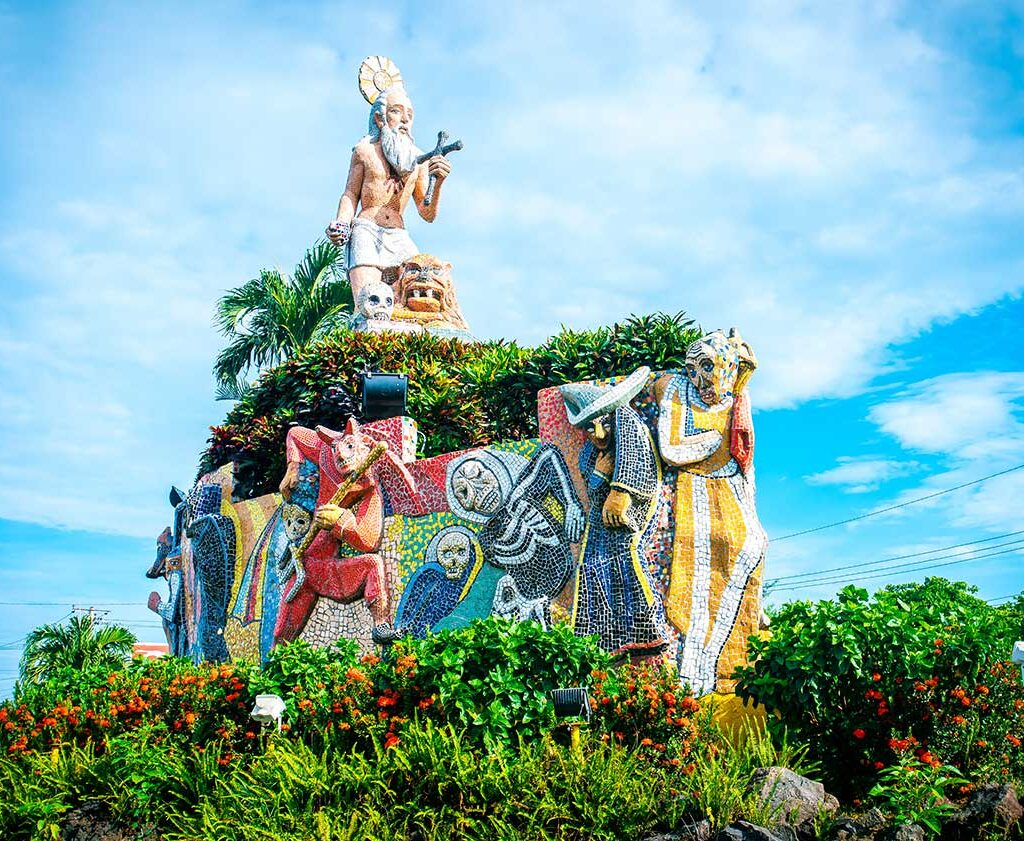
San Jerónimo Festivities (September – November): The longest patron saint celebrations in the world! The city bursts with culture through processions, “Inditas” and “Negras” dances, and culminates with the Torovenado (last Sunday of October), a unique satirical and carnival-style parade.
Los Agüizotes (Last Friday of October): A nighttime procession where people dress as characters from Nicaraguan myths and legends (La Llorona, El Cadejo, El Headless Priest).
Volcano Tour: The night tour to see the lava is very popular. Time at the crater is limited (10–15 minutes) for safety and to allow visitor flow.
Bargaining at the Market: At the Handicraft Market, you can negotiate prices respectfully.
Pueblos Blancos: The ceramics from San Juan de Oriente are among the best in the country. Bring cash to purchase directly from family-run workshops.
Safety: The center of Masaya is lively and safe during the day. At night, it’s better to use a taxi if you’re leaving the central area.
Money: Always have córdobas in cash for purchases at the market, artisan workshops, and local transportation.
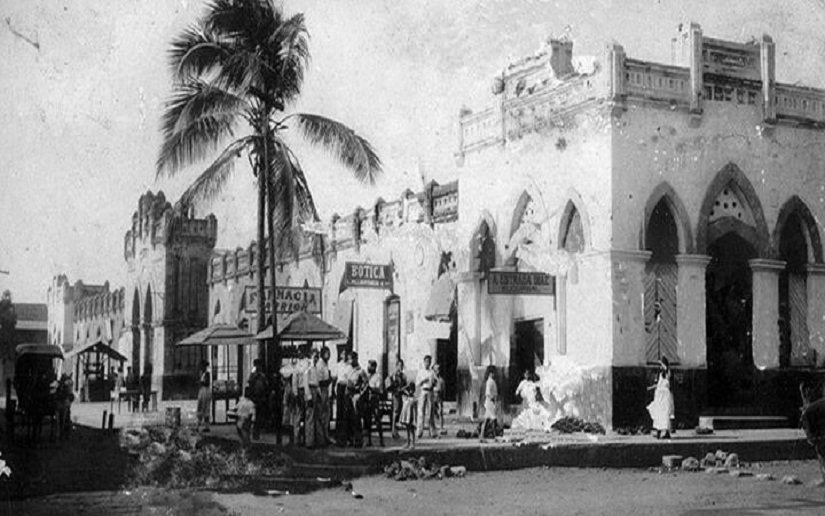
Masaya has been an important indigenous settlement since before the arrival of the Spanish, inhabited by the Chorotega tribe. The Monimbó neighborhood maintains a strong connection to this pre-Columbian past.
The city was declared a “Cultural Heritage of the Nation” in 1989 and the “Capital of Folklore of Nicaragua” in 2000, a title it takes very seriously. Masaya was also a crucial stronghold during the Sandinista Revolution, with Monimbó leading one of the first urban uprisings in 1978.
Today, Masaya’s identity is a blend of indigenous pride, religious fervor (expressed in its festivals), and undeniable artistic spirit, visible in the hands of every artisan shaping clay, weaving a hammock, or carving a mask.
Yes, absolutely. Although our gallery shows popular examples such as the City Tour in Managua, visits to the Masaya Volcano, or historical tours in Granada and León, we specialize in tailor-made services. Our value proposition is flexibility; we can adapt the itinerary to your liking, whether for individual tourism or large groups.
For your peace of mind, we offer secure payment on site. You have the flexibility to pay in cash or by card directly upon receiving the service. This is part of our commitment to customer trust and convenience, eliminating friction in your booking process.
Yes, we are leaders in corporate and executive transportation nationwide. We handle everything from executive transfers and embassy services to complete logistics for business conferences. Our fleet guarantees discretion, comfort, and punctuality, acting as strategic allies for your company.
Absolutely. We offer personalized service 24/7. We provide transfers to and from the airport at any time, guaranteeing punctuality. Our drivers monitor your arrival to ensure that a modern vehicle is waiting for you, regardless of delays or schedule changes.
Yes, we adapt to your schedule. We offer flexible hiring options: you can book our services by the hour, by the day, or even by the month. In addition, we offer a specific service for hiring drivers who are certified and trained in road safety and customer service.
Services
Information